
A distributor with several product lines does not buy one standard wheel. One cart takes a medium plate caster, another line needs a heavier swivel, a third wants a quieter tread for finished-goods floors. The hard part is not sourcing each size separately — it is holding the same bracket finish, bearing quality and packing standard across every SKU in one container.
This account follows how an overseas distributor built a private-label and mixed-spec supply program with our factory. It is written from the engineering and order-processing side, not as a product pitch.
About the Customer
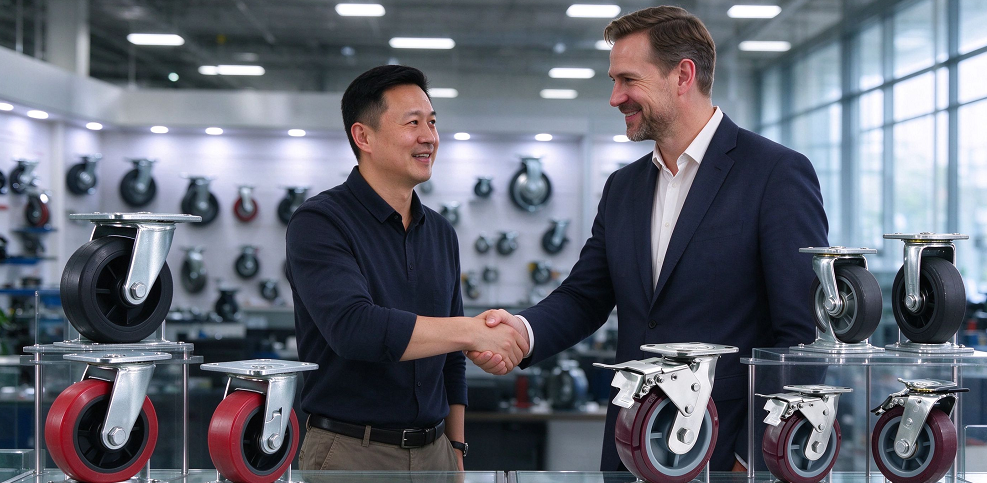
The customer is a regional equipment distributor selling aftermarket carts, stands and material-handling racks to dealers in its home market. It carries its own house label and also supplies a handful of local equipment brands.
What They Needed
Their first request came in as a mixed list rather than a single model. They wanted:
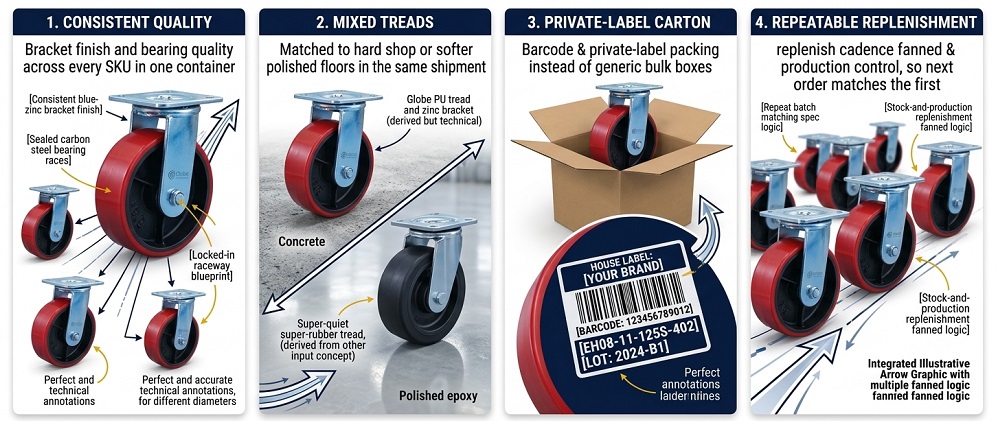
● Consistent Quality Across Specifications:Consistent bracket finish and bearing quality across several wheel diameters in the same shipment.
● Mixed treads matched to their floors:hard tread for rough shop floors, softer non-marking tread for polished interiors.
● Private-label carton and barcode packing instead of generic bulk boxes.
● A repeatable replenishment cycle, so the next order matched the first one without re-engineering.
How We Met
The enquiry arrived through our export channel after the distributor compared three China-based suppliers. The first exchange was a spec list, not a price request.
We asked about cart weight per application, floor type, mounting style and brake preference before quoting anything, because a wheel chosen on price alone fails earlier on the actual cart.
Factory Visit
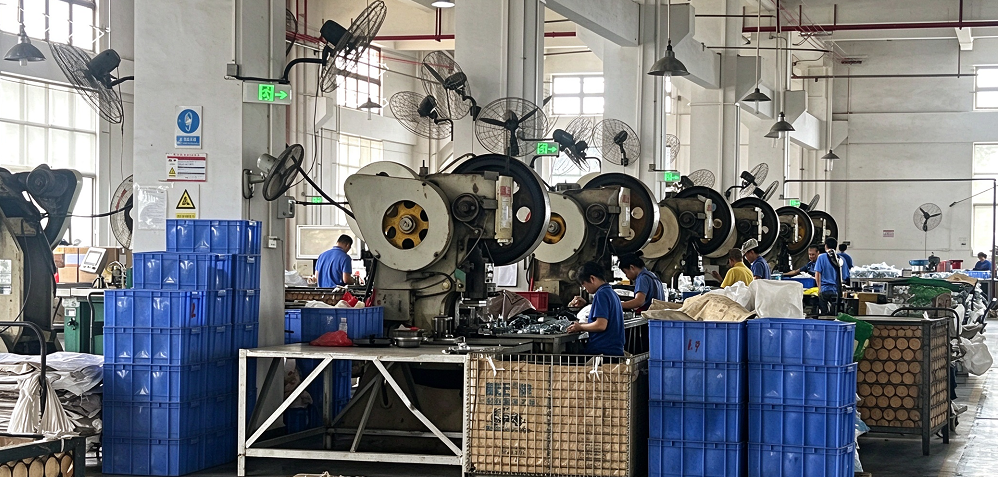
On the factory visit the distributor walked the full internal flow:
1. Steel stamping for brackets;
2. Injection moulding for nylon and polyolefin wheels;
3. PU pouring for elastomer treads;
4. Bearing and raceway assembly,
5. Final inspection and packing.
This is the part that settled most of their concern. They could see where the bracket is formed, where the tread bonds to the core, and how a finished wheel is checked before it leaves the line.
Manufacturing Capabilities and Certifications:
Globe Caster has run as a caster manufacturer in Guangdong, China since 1988, with a 156,000 m² plant, 500+ staff, about 21,000 listed models and 600+ kept as ready stock. The factory holds ISO 9001 and ISO 14001 and holds 100+ patents; these are registered company facts, not test claims about a specific wheel.

Choosing Samples
We did not send the widest catalog. From their application list we shortlisted a medium plate family for the lighter carts and a heavier swivel family for the loaded platforms, with brake variants on the steering corners.
Tread choice followed the floor: harder nylon or cast iron where the floor is rough and spilled material collects, softer polyurethane where the surface must stay unmarked.
Each sample carried the bracket, bearing and tread written on the carton so their team could match it to the application later.
Testing Locally
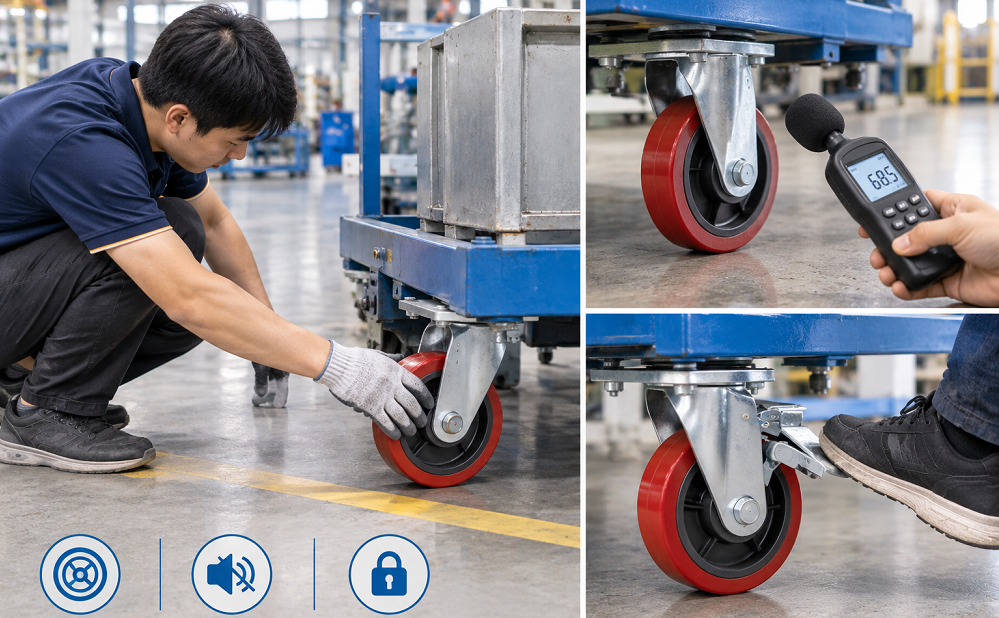
The samples went to their own shop floor before any bulk order.Their staff checked roll feel on the real floor,listened for bearing noise under load,and tested the brake pedal on the swivels.The feedback loop was short: which diameter rolled easily, which tread marked the floor, and whether the bracket sat flush on the cart frame. That feedback narrowed the shortlist before we quoted production quantities.
SKU-Level Detail Before the First Order
Once samples passed, the discussion moved to SKU-level detail. For each line we fixed wheel diameter, tread material, bearing type, bracket finish, brake type, mounting plate, carton packing and carton quantity.
Container loading was worked out from the packed carton dimensions, not the bare wheel size. This stage is where most mixed-spec orders either get clean or get messy; the numbers go on paper and both sides confirm before tooling or production starts.
Price Was Important, Not the Only Factor
The distributor compared landed cost, not unit price alone. Packing standard, replenishment consistency, and how a shortage on one SKU is handled all feed the real cost of running a product line. A lower unit price that arrives with mixed bracket finishes or wrong carton marks costs more over the program. We quoted the spec we could repeat, and left room to adjust tread or diameter rather than compete on the cheapest bracket.
Why They Kept Buying
The repeat orders came down to three things:
1. The first production lot matched the approved samples,
2. The packing matched their house-label requirement,
3. The next order could be placed against the same confirmed spec without rebuilding the details from scratch.
What Other Buyers Can Learn
1.Sample before bulk. Trial the wheels on your own floor and your own load before committing to a container. A catalog rating does not show how the wheel rolls on your seam or your epoxy.
2.Spec the whole leg, not just the wheel. Bearing, bracket finish, brake and mounting style matter as much as tread material; leave any of them open and the next lot can drift.
3.Compare landed cost. Packing, carton marks and replenishment stability change the real per-unit cost more than a small price gap on the bare wheel.
4.Keep a confirmed spec record. A written SKU-level list keeps repeat orders consistent, which is what a house-label line depends on.
FAQ
Is “brake” the same as “lock” on a caster?
Not always. A side brake locks the rolling wheel only; a total lock also locks the swivel. Ask which one the supplier means before ordering.
Do I need brakes on every caster?
No. On a 4-caster cart, braking the two swivels is usually enough; rigid legs already resist steering.
Can I add a brake to a caster I already have?
Only if the bracket was engineered for that linkage. A brake is not an accessory bolted on after purchase.
What does “total lock” actually pin?
Both the wheel roll and the swivel rotation, so the locked leg cannot move in any direction.
Send Us Your Mixed-Spec List
List the cart weights, floors, mounting styles and brake types you need. We reply with a sample shortlist, a SKU-level spec sheet and packing options. If a cheaper standard wheel covers your job, we will say so rather than push a custom build.For more information, please click here to contact us.
Post time: Nov-11-2026